

11 Objections in Court Every Law Student Should Know
Objections in court can win or lose cases. OpenCase breaks down 11 essential types every law student must master before trial.
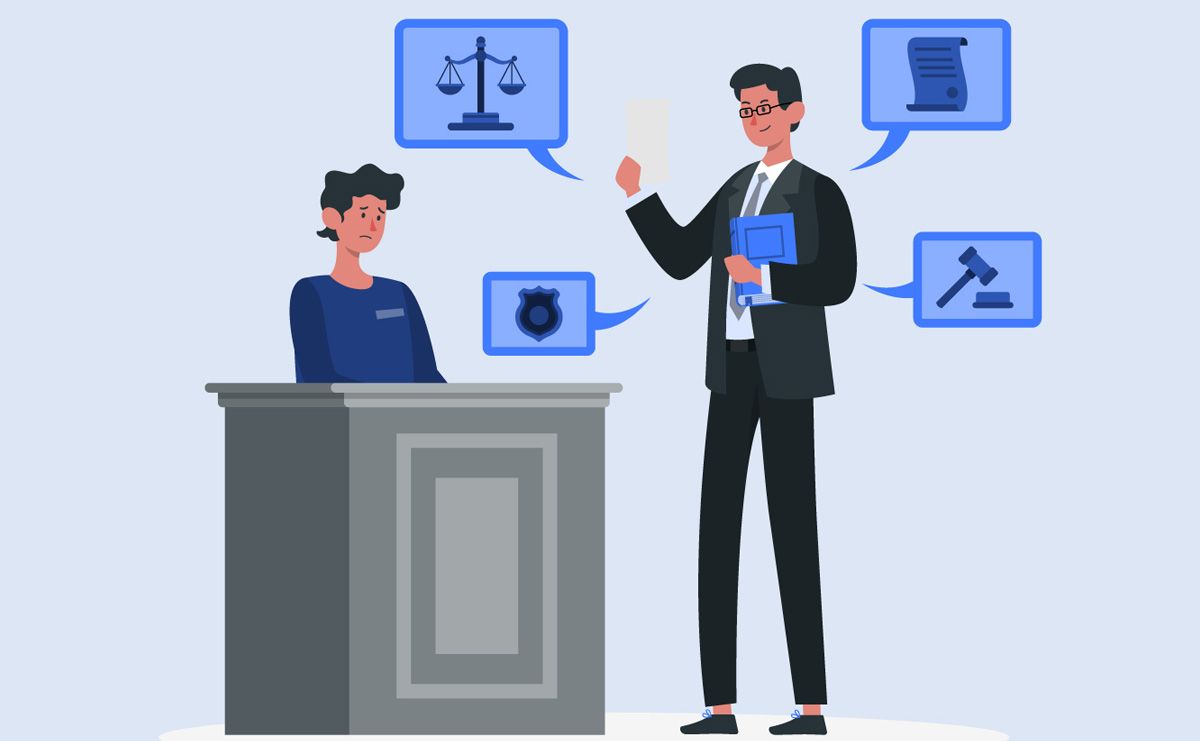
Courtroom objections can make or break a case, yet many attorneys and law students freeze when it's time to raise one. Knowing when and how to object is one of the most practical courtroom skills to develop, directly affecting case outcomes, evidence control, and overall trial strategy. The 11 most common objections covered here give practitioners a clear foundation for challenging improper evidence with confidence, whether in trial, moot court, or legal competitions.
Strong Law Practice Management extends beyond billing and scheduling — it demands sharp, well-rehearsed courtroom instincts. Preparation is the difference between reacting under pressure and responding with precision. For attorneys looking to sharpen their preparation faster, legal AI from OpenCase helps analyze evidence, identify procedural issues, and build stronger arguments before stepping into a courtroom.
Table of Contents
- What Are Objections in Court, and When Can Lawyers Raise Them?
- Why Are Objections Important During a Trial?
- Can a Lawyer Object to Every Question?
- 11 Objections in Court Every Law Student Should Know
- How to Choose the Right Objection in Court
- How OpenCase Helps Law Students Master Objections in Court
- Try our Legal AI to Support your Legal Work from Research to Final Draft
Summary
- Courtroom objections must be raised before a witness answers, not after. Federal Rule of Evidence 103 requires a timely objection with a specific stated ground, or the issue is waived for appeal. Once testimony enters the record unchallenged, the options available to correct it are narrow, and courts apply them strictly.
- The timing of an objection is only half the requirement. Specificity is the other half. Saying "objection, hearsay" preserves the issue for appeal, while a vague "objection" often does not give the record enough detail for a reviewing court to evaluate the ruling. In Wainwright v. Sykes (1977), the Supreme Court confirmed that failing to object at trial creates a procedural default that permanently blocks a defendant's Miranda claim in federal habeas proceedings.
- Raising objections at every opportunity tends to backfire. One documented trial example recorded 6 objections in 2 minutes, a pace that reads as obstruction rather than advocacy. Judges and juries both notice the pattern, and once a lawyer is perceived as obstructionist, every subsequent objection carries that reputation into the ruling.
- Depositions carry particular weight in litigation because so few cases reach trial. As noted by the Florida Bar Journal, depositions are often the only time a party or witness gives testimony in a case, making that single session the entire evidentiary record. Over-objecting in depositions can disrupt witness rhythm, muddy the transcript, and create the impression of coaching rather than legitimate evidentiary protection.
- Cumulative silence is treated differently from a single missed objection. A pattern of unchallenged hearsay, unsupported opinion testimony, and leading questions signals implicit acceptance to an appellate court reviewing the transcript. That pattern makes it significantly harder to argue that any individual error caused measurable prejudice, thereby considerably limiting post-trial relief options.
- For law students, the preparation gap is usually a research infrastructure problem rather than a reasoning problem. Platforms built for objection mastery now offer 420 or more questions for evidence practice, reflecting how much repetition is required before rules shift from a checklist to automatic recognition. California attorneys can also earn 3.0 MCLE credits for structured objection training, which indicates the profession treats this as a skill requiring ongoing reinforcement rather than a one-time certification.
- OpenCase's legal AI directly addresses the research bottleneck by pulling verified citations from Cornell LII, CourtListener opinions, and authenticated regulatory archives, so lawyers and students can confirm the controlling rule and supporting authority before the proceeding proceeds.
What Are Objections in Court, and When Can Lawyers Raise Them?
Lawyers can raise objections when a question, answer, exhibit, or courtroom procedure breaks an established rule of evidence or procedure. Timing is critical — objections must come before the witness answers, since unchallenged testimony is difficult to remove from the official court record.
"Objections must be raised before the witness answers — once unchallenged testimony enters the record, it becomes extraordinarily difficult to remove." — U.S. Courts
💡 Example: If a prosecutor asks a leading question during direct examination, the defense attorney must object immediately — before the witness responds — or risk that the testimony becomes part of the permanent record.
⚠️ Warning: Missing the objection window is not a technicality — it's a critical procedural failure. Courts generally will not strike testimony that went unchallenged at the time it was given.
🔑 Takeaway: An objection is only valid if it's raised at the right moment — timing isn't just important; it's everything.
What triggers an objection in the first place?
The trigger is a rule violation, not a personal disagreement with opposing counsel. Federal Rule of Evidence 103 sets the standard clearly: a party must object in a timely manner and state the specific ground, or the issue is waived for appeal. According to EBSCO Research Starters on Objections (Law), an objection yields only two possible rulings: sustained or overruled. Each ruling either excludes or admits evidence, with downstream consequences that can reshape the entire case.
Why does hesitation cost lawyers objections in court?
The failure point is usually hesitation. A lawyer who pauses to consider whether to object often finds the witness already answering. At that point, a motion to strike is the only remaining tool, and judges grant those rarely. Courtroom objections require the same instinct that surgeons develop for recognizing problems before they worsen. You build that instinct by knowing the rules so thoroughly that recognition becomes automatic.
How does preparation shape an objection in court strategy?
Most lawyers prepare for objections by reviewing expected testimony and identifying potential evidentiary problems in advance. The challenge is that opposing counsel rarely telegraphs their questions. When preparation relies on generic outlines or unverified secondary sources, gaps appear where precision matters most. Platforms like OpenCase address this by pulling current case law and evidentiary rulings from verified primary sources across 100-plus legal databases, enabling lawyers to stress-test their objection strategy against actual precedent.
When does timing become irreversible?
The specificity requirement in Rule 103 is where many objections lose their appellate value, even when raised on time. Saying "objection, hearsay" preserves the issue; saying only "objection" often does not, because the record lacks enough detail for a reviewing court to evaluate the ruling. The difference between a preserved objection and a waived one is sometimes a single phrase, and that phrase must arrive before the answer does. Once a definitive ruling is issued, the lawyer need not repeat the objection for similar questions during the same line of examination, but the initial record must be clean.
What happens when objections in court are missed entirely?
Not speaking up after a violation signals agreement. The plain-error doctrine provides a narrow safety net, but it requires proof that the error was clear, affected important rights, and seriously compromised fairness. Courts apply that standard strictly. An attorney who misses the objection window has, in most cases, permanently foreclosed that avenue for relief.
Related Reading
- Law Practice Management
- Google Gemini For Lawyers
- Claude vs. ChatGPT for Lawyers
- ChatGPT Prompts For Lawyers
- Copilot For Lawyers
- Ai Use Cases For Lawyers
- Ai Legal Hallucinations
- Legal Tech Trends
- Prompt Engineering For Lawyers
- Legal Writing Ai
- Claude For Lawyers
- Ai Legal Ethics
Why Are Objections Important During a Trial?
Once a verdict is decided, the evidence that built it becomes almost impossible to change. Objections are the only mechanism to stop legally unreliable evidence from reaching the jury in the first place. Once that window closes, it rarely opens again.
"Objections are the only mechanism to stop legally unreliable evidence from reaching the jury in the first place, and once that window closes, it rarely opens again." — Georgia Law Review, 2013
🎯 Key Point: An objection is the last line of defense against evidence that could unfairly sway a verdict.
⚠️ Warning: Failing to object at the right moment can permanently waive your right to challenge that evidence on appeal.

Timely objections protect your case and preserve your rights:
- Unreliable evidence – Keeps improper evidence from reaching the jury.
- Appeal rights – Preserves issues for higher court review.
- Jury influence – Prevents unreliable information from affecting decisions.
- Case outcome – Maintains evidentiary control and prevents opposing advantages.
What happens when objections in court are never made?
In Wainwright v. Sykes (1977), the Supreme Court confirmed that failing to object at trial creates a procedural default that blocks constitutional challenges in federal habeas proceedings. The defendant's Miranda claim was permanently closed off because no objection appeared in the trial record. The trial record is not a transcript; it is the limit of what can ever be argued again.
What happens when improper evidence goes unchallenged?
Jurors do not process evidence the way a judge reviews a motion. When a witness fills in gaps by guessing or a leading question puts a scripted answer into the record, the jury incorporates that version into its mental picture. A curative instruction given afterward asks jurors to ignore something vivid and specific, which proves harder than it sounds. Research on jury decision-making shows that emotionally compelling testimony, even when later flagged as unreliable, shapes damage assessments in ways instructions cannot fully reverse.
How does preparation around objections in court sharpen your foundation?
Most trial preparation builds a general sense of the rules and trusts instinct in the moment—until the pace speeds up and three possible violations arise in two minutes. Lawyers preparing objection strategy around verified, current precedent pulled from authoritative primary sources enter those moments with a sharper foundation. OpenCase supports that preparation, searching across 100-plus legal databases with citations verified against Cornell LII, CourtListener opinions, and authenticated regulatory archives, so the rule and supporting case are traceable before you sit at the counsel table.
Why does the pattern of objections matter, not just individual ones?
The failure point is usually cumulative, not singular. A pattern of unchallenged hearsay, foundationless opinion testimony, and repetitive leading questions tells a different story to the appellate court reviewing the transcript. Judges reading post-trial motions treat consistent silence as implicit acceptance, making it harder to argue that any single error caused measurable prejudice. The record becomes evidence against relief rather than a tool for it.
How do cumulative gaps in objections in court affect clients?
Clients pay the full price of that silence. A defendant serving years on a conviction built partly on an unchallenged identification procedure loses something no appeal can restore. In civil cases, the harm is immediate and financial: assets liquidated, judgments satisfied, business relationships severed, all traceable to a moment when the evidentiary foundation went unchallenged.
Knowing when to object is only part of the equation.
Can a Lawyer Object to Every Question?
Technically, yes. A lawyer can object to every single question asked during a trial. Nothing in the Federal Rules of Evidence explicitly prohibits it. But the courtroom is a place where people try to convince each other — not just a place to follow rules — and these two competing forces pull hard against each other.
"A lawyer who objects to every question risks losing the one thing that matters most in a courtroom: credibility with the jury." — Legal Strategy Principle
🎯 Key Point: While no rule bans constant objections, doing so is a high-risk courtroom strategy that can seriously backfire with judges and juries alike.
⚠️ Warning: Lawyers who over-object are often perceived as desperate or obstructionist — which can undermine their entire case far more than any single damaging question would.
Strategic objections protect credibility and case interests:
- Jury perception – Strategic objections appear professional; excessive objections seem obstructive.
- Judge reaction – Well-timed objections earn respect; constant objections risk sanctions.
- Case outcome – Targeted objections protect key interests; overuse can hurt credibility.
- Legal permissibility – Both approaches may be allowed, but strategy matters.
What happens when objections in court are raised too often?
The failure point is usually judgment, not knowledge. Lawyers who treat objections as a defensive shield misread how courtrooms function. According to The Law Office of Gerald Oginski, a defense lawyer raised 6 objections in 2 minutes during trial questioning: a pace that signals obstruction rather than advocacy. Judges and juries notice. Once a lawyer earns the label of obstructionist, every future objection carries that baggage into the ruling.
What actually happens when objections pile up
The pattern is consistent: the more objections a lawyer raises, the less weight each one carries. Strategic objections work because their rarity signals genuine concern. When every question draws a challenge, the signal disappears into noise, and the jury watches the lawyer instead of evaluating the evidence.
Why do objections in court carry less weight in depositions?
This dynamic sharpens in depositions, where stakes are often higher than lawyers expect. As The Florida Bar Journal notes, few employment cases reach trial, making depositions typically the only evidentiary record. Over-objecting disrupts a witness's rhythm, muddies the transcript, and creates the impression that the lawyer is coaching rather than protecting. Federal judges have flagged obstructionist deposition tactics as routine in modern discovery practice.
How can lawyers build sharper objections in court strategy?
Lawyers preparing for trial can use OpenCase to build stronger objection strategies. Rather than manually searching databases to verify whether questioning crosses evidentiary boundaries, the platform pulls verified citations from Cornell LII, CourtListener opinions, and authenticated regulatory archives, enabling you to arrive at trial with a selective objection plan grounded in authoritative precedent.
The credibility math every lawyer should run
Selective objection practice is a calculated trade. You accept borderline questions to protect how the jury sees you and use credibility on objections that threaten the case. A lawyer who objects to three questions and wins two shows precision—the jury reads that as confidence. A lawyer who objects to thirty and wins ten shows anxiety—the jury reads that as weakness. The discipline required to do this under pressure is substantial.
The complexity of the objection strategy lies in knowing when rules matter enough to invoke them. That judgment gap determines whether preparation pays off or fails.
Related Reading
- Legal Billing Software
- Billable Meaning
- Legal Ai Tools
- Lawyer Salary
- Iolta Account
- How To Use ChatGPT for Legal Research
- Law Firm Marketing
- Law Clerk
- Is ChatGPT Good For Personal Injury Lawyers
- Law Firm Seo
- Will Lawyers Be Replaced By Ai
11 Objections in Court Every Law Student Should Know
Lawyers have only seconds to recognize when a question or piece of evidence breaks the rules. For law students, learning the most common courtroom objections is one of the fastest ways to understand how the Federal Rules of Evidence work in real situations. The objections below regularly appear in trials and form the foundation of effective courtroom advocacy.
"Mastering courtroom objections is not just about memorizing rules — it's about developing the split-second legal instincts that separate competent advocates from exceptional ones." — Federal Trial Practice Insight
Common objections and their legal foundations:
- Hearsay – Challenges out-of-court statements offered as truth (FRE 802).
- Relevance – Excludes evidence unrelated to the case (FRE 401–402).
- Leading question – Prevents improper witness guidance (FRE 611(c)).
- Speculation – Challenges unsupported witness guesses (FRE 602).
- Privilege – Protects confidential communications (FRE 501).
- Authentication – Requires verification of evidence (FRE 901).
- Compound question – Prevents multiple questions at once (FRE 611).
- Argumentative – Stops counsel from testifying through questions (FRE 611).
- Best evidence – Requires the original document when applicable (FRE 1002).
- Character evidence – Limits improper propensity arguments (FRE 404).
- Cumulative – Excludes repetitive or unnecessary evidence (FRE 403).
🎯 Key Point: The 11 objections listed above are not just academic concepts — they are the live ammunition of courtroom advocacy, used in every trial across the country.
💡 Tip: As a law student, practice spotting these objections while watching recorded trial footage — your ability to identify them in real time is what transforms textbook knowledge into courtroom-ready skill.
1. Relevance Objections Focus the Case on Facts That Actually Matter
Relevance objections arise under Federal Rules of Evidence 401–403 when a question or exhibit does not make any fact that matters more or less likely to be true, or when its probative value is outweighed by risks of unfair prejudice, confusion, misleading the jury, undue delay, or redundant evidence. Examples include a witness's personal hobbies in a contract dispute or graphic photos offered solely to inflame emotions.
How do you phrase relevance objections in court correctly?
The correct way to say it is "Objection, Your Honor, relevance under Rule 401" or "Objection under Rule 403, probative value substantially outweighed by unfair prejudice." When the judge agrees, testimony stops, and the record stays clean. When the judge disagrees, the objection preserves the issue for appeal under Rule 103. Learning about relevance teaches students to connect every piece of evidence directly to the elements of the claim or defense—a skill tested on bar exams and essential in real trials.
2. Hearsay Objections Block Secondhand Statements Offered for Their Truth
Hearsay objections target out-of-court statements offered to prove the truth of the matter asserted, as defined in Federal Rule of Evidence 801. Students object when a witness repeats what someone else said, wrote, or did outside the courtroom, such as "My neighbor told me the defendant was speeding." The standard phrasing is "Objection, Your Honor, hearsay under Rule 802." The judge then decides whether an exception applies, such as present-sense impression or excited utterance.
If sustained, the statement never reaches the jury; if overruled, the objection creates the record needed to argue error on appeal. For law students, understanding hearsay builds the habit of demanding personal knowledge from witnesses and recognizing when a statement serves a non-truth purpose, such as showing effect on the listener. Failure to object waives the issue in most cases, thereby allowing unreliable evidence to permanently shape verdicts.
3. Leading Question Objections Prevent Counsel from Testifying Through the Witness
Leading question objections occur during direct examination under Federal Rule of Evidence 611(c), where questions suggest a desired answer or put words in the witness's mouth. Students object when opposing counsel asks their own witness a question like, "You saw the defendant run the red light, didn't you?" The correct response is "Objection, Your Honor, leading." On cross-examination, leading questions are permitted, so the objection signals which phase of the examination is occurring.
How do sustained leading objections in court preserve independent witness testimony?
When someone keeps objecting, lawyers must rephrase their questions in open-ended form, allowing the witness to tell their own story. Direct examination builds the narrative by having the witness explain what happened, while cross-examination tests whether that story is true—a distinction fundamental to how trials work. If a lawyer asks too many leading questions during direct examination, it damages their credibility with the judge and jury by suggesting the lawyer is controlling the witness's testimony rather than eliciting facts.
4. Speculation objections enforce the personal knowledge requirement
Speculation objections arise under Federal Rule of Evidence 602 when a witness lacks firsthand knowledge and guesses about events, thoughts, or future actions. Questions like "What do you think the driver was thinking when he hit the brakes?" or "Would the plaintiff have signed the contract if he knew the truth?" trigger this objection. The proper phrasing is "Objection, Your Honor, calls for speculation" or "lack of personal knowledge."
How do speculation objections in court keep testimony reliable?
This objection keeps testimony grounded in what the witness saw, heard, or experienced. When sustained, it prevents unreliable opinions from reaching the record; when overruled, it documents the issue. For law students, it instills the habit of laying a proper foundation before opinions and recognizing when experts are needed rather than relying on lay witnesses' guesses.
5. Foundation Objections Ensure Evidence Meets Basic Admissibility Thresholds
Foundation objections challenge whether a witness is qualified, an exhibit is authentic, or a proper predicate exists before testimony or documents are introduced. Students raise this objection when counsel jumps to conclusions without establishing necessary facts: offering a document without showing it is what it claims to be, or asking for an opinion without demonstrating the witness's expertise or observations. The standard phrasing is "Objection, Your Honor, lack of foundation" or "insufficient authentication under Rule 901." The judge may require additional questions to lay the foundation before allowing the evidence.
How do objections in court over foundation protect the record?
When someone objects, the presenter must build the necessary steps to support their argument. Even when an objection is overruled, it protects the record of what happened. Learning to make foundation objections teaches a crucial lesson: evidence must be properly connected to the case through testimony or documents. This prevents evidence from being excluded due to technical failures that better preparation could have avoided.
6. Asked and answered objections stop repetitive questioning that wastes time and harasses witnesses
Asked-and-answered objections prevent lawyers from posing the same question after a witness has provided a clear answer. This protects the record from harassment and keeps trials moving efficiently. Students raise this objection during cross-examination or redirect when opposing counsel asks the same question in different words, hoping for a different answer—for example, "Did you see the car run the red light?" followed by "So you observed the vehicle go through the intersection against the signal, correct?" The standard phrasing is "Objection, Your Honor, asked and answered."
What happens when objections in court for asked and answered are sustained or overruled?
When sustained, the witness need not repeat the answer, and the lawyer must move on; when overruled, the objection documents the repetitive nature for the record. This objection teaches students to listen carefully to testimony, recognise when repetition serves no legitimate purpose other than badgering, and maintain courtroom etiquette, thereby preventing cluttered transcripts that could confuse appellate review or undermine credibility with the judge.
7. Compound Question Objections Force Clear, Single-Issue Inquiries
Compound question objections challenge questions combining multiple separate inquiries into one, making accurate answers impossible and creating unclear record entries. Students object when a question merges separate facts, such as "Did you see the defendant at the scene, hear him make a threat, and then watch him leave in a hurry?" The proper phrasing is "Objection, Your Honor, compound question." The judge typically requires the lawyer to split the question into separate parts.
How do compound question objections in court build essential examination skills?
When lawyers object to compound questions, they keep testimony clear and prevent confusing answers from entering the record. Even unsuccessful objections protect the issue if the compound question compromised the fairness of the examination. For law students, this objection teaches disciplined questioning—a fundamental skill in direct and cross-examination tested on bar exams and critical to whether witness testimony supports the case theory. It also teaches students to recognise when opposing counsel uses compound questions to elicit unintended admissions from witnesses.
8. Argumentative Objections Prevent Counsel from Making Speeches Instead of Asking Questions
Argumentative objections stop questions that are statements, accusations, or closing arguments disguised as questions, preserving the distinction between evidence and advocacy. Students object when counsel badgers the witness or editorializes, such as "You expect this jury to believe you didn't see anything even though you were standing right there, don't you?" The phrasing is "Objection, Your Honor, argumentative."
How does sustaining an argumentative objection in court protect the process?
The judge agrees with the objection and instructs the lawyer to ask proper questions instead of arguing with the witness. Cross-examination tests a witness's credibility through controlled questioning, not confrontation that alienates the jury or prompts judicial intervention. This objection illustrates the ethical boundary between vigorous advocacy and improper conduct that damages a lawyer's reputation with the court.
9. Assumes Facts Not in Evidence Objections, Block Questions That Inject Unproven Assertions
An "assumes facts not in evidence" objection challenges questions that include statements the record has not yet established. Students raise this objection when a question assumes something unproven, such as "After you lied to the police about your whereabouts, what did you do next?" before any evidence of a lie has been introduced. The standard phrasing is "Objection, Your Honor, assumes facts not in evidence."
How does this objection in court shape testimony and case strategy?
The judge may require the lawyer to prove the assumed fact through earlier testimony or exhibits before allowing the question. When objections are sustained, the jury does not hear unproven claims presented as fact. When objections are overruled, a record is created of the improper assumption. This objection teaches law students to build testimony step by step, ensuring that every fact is properly introduced before it is used as a basis for another point. This skill prevents reversible error and develops the strategic sequencing essential to effective case presentation.
10. Best Evidence Rule Objections Require Original Documents or Proper Justification for Copies
Best evidence rule objections enforce Federal Rule of Evidence 1002 by requiring the original writing, recording, or photograph when its contents are at issue, unless an exception or justification applies. Students object when counsel offers a copy or oral description of a document's terms without producing the original—for example, asking a witness to recite the exact language of a contract from memory instead of producing the signed agreement. The proper phrasing is "Objection, Your Honor, best evidence rule under Rule 1002, original required."
How does the proponent respond to a sustained best evidence objection?
The person making the claim must produce the original document, explain why it is unavailable under Rule 1004, or authenticate a copy. When objections are sustained, the record remains accurate and prevents disputes about what the document said. This objection demonstrates that documents carry precise legal weight and that careless proof of their contents can damage an entire case—a discipline tested in evidence courses, moot court, and real-world litigation where contracts, emails, and records often decide outcomes.
11. Unfair prejudice objections exclude evidence that risks undue emotional impact over probative value
Unfair prejudice objections work under Federal Rule of Evidence 403, which applies when relevant evidence could cause unfair prejudice, confuse the issues, mislead the jury, cause undue delay, waste time, or present unnecessary repetition in a way that outweighs its probative value.
When do objections in court invoke Rule 403 for unfair prejudice?
Law students raise this objection when opposing counsel introduces inflammatory material, such as gruesome photographs in non-capital cases or evidence of past similar acts offered only to show a pattern of behavior rather than for legitimate legal purposes. The proper phrasing is "Objection, Your Honor, Rule 403—the probative value is substantially outweighed by unfair prejudice."
How does the judge resolve unfair prejudice objections in court?
The judge weighs different factors and may exclude the evidence entirely or restrict its use. When objections are upheld, they prevent the jury from seeing material that might prompt emotional rather than factual decisions. When objections are overruled, the issue can be raised again on appeal under Rule 103. This objection teaches law students that relevance alone does not permit evidence in court, and it helps future lawyers prevent others from influencing the jury through drama rather than proof.
How to Choose the Right Objection in Court
Choosing the right objection means finding the exact rule that a question or piece of evidence breaks, objecting right away, and clearly explaining the legal reason. A well-timed, accurate objection protects what happened in court, makes you more believable, and helps the judge make the correct decision about what evidence can be used.
"A well-timed, accurate objection protects the record, builds credibility, and directly shapes what evidence the judge is permitted to consider." — Core Principle of Trial Advocacy
🎯 Key Point: The three pillars of a strong objection are identifying the exact rule violated, acting immediately, and stating the precise legal basis — miss any one of these and your objection may be overruled or waived.
⚠️ Warning: Hesitating even briefly before objecting can result in a waived objection, meaning the improper question or evidence permanently enters the record — a mistake that can undermine your entire case.
Effective objections follow three essential steps:
- Identify the rule – Pinpoint the legal issue to support a valid objection.
- Object immediately – Raise the objection before improper evidence enters the record.
- State the legal reason – Clearly explain the grounds to help the judge rule.
⚡ Pro Tip: Before trial, memorize the most common objection grounds — hearsay, relevance, speculation, leading, and foundation — so you can react instantly without hesitation when a violation occurs.
Identify the Precise Rule Violation at Issue
Lawyers first identify the exact evidence rule that was broken, such as relevance under Rules 401-402, hearsay under Rule 801, leading questions under Rule 611(c), or unfair prejudice under Rule 403. This requires knowing the Federal Rules of Evidence (or state equivalents) so the objection targets the specific problem rather than a vague protest. A question repeating an out-of-court statement offered for its truth triggers a hearsay objection, while inflammatory photos with little probative value call for a Rule 403 challenge. Accurate identification prevents weak objections that judges overrule and ensures the record clearly reflects the legal basis for later review.
Confirm the Objection Meets Timeliness Standards
Objections must be made when the wrong question is asked or when evidence is shown, typically before the witness answers. This follows Federal Rule of Evidence 103. If you wait until after the answer, you lose the right to object, even if the evidence clearly harms your case. Timely objections protect your rights as a party and give the trial court the first opportunity to correct the mistake, which appellate courts take seriously.
Evaluate Whether the Error Affects a Substantial Right
Lawyers must determine whether admitting or excluding evidence would meaningfully impact the outcome before objecting. Under Rule 103, only errors affecting substantial rights receive appellate consideration. An improper leading question on a peripheral fact may not justify interruption if it doesn't advance or undermine a key element of the claim or defense. This assessment focuses objections on issues that could change the verdict or create reversible error.
Weigh Strategic Effects on the Judge, Jury, and Case Theory
Beyond the rules, lawyers consider how objections shape courtroom dynamics and case narrative. Excessive or trivial objections risk appearing obstructionist, alienating judges, or signaling to juries that damaging information is being suppressed. Strategic choices require weighing whether an objection advances the case or merely creates delay. Continuing objections or pre-trial motions in limine often prove more effective than repeated trial interruptions. This careful approach preserves credibility while ensuring that rules are enforced where they matter.
State the Ground with Specificity and Clarity
Good objections name the exact rule or teaching and briefly explain why, such as "Objection, Your Honor, hearsay under Rule 802" or "Objection under Rule 403, probative value substantially outweighed by unfair prejudice." Unclear statements like "Objection" or "That's improper" fail to alert the court and opposing counsel and may not preserve the issue on appeal. Specificity allows the judge to rule appropriately and creates a clear record of what was challenged and why.
Explore Alternatives Such as Continuing Objections or Motions to Strike
Lawyers can use a continuing objection to cover similar future questions without constant interruptions. If evidence has already entered the record improperly, a motion to strike combined with a request for a curative instruction may prove more effective than a simple objection. Pre-trial motions in limine allow lawyers to secure rulings on contested evidence before the jury hears it, reducing mid-trial disruptions.
Prepare Through Anticipation and Rule Mastery
Successful objection practice starts with careful case analysis, evidence review, and anticipation of what the opposing counsel will likely ask or present. Prepare by listing possible objections for each piece of evidence and practicing quick answers. Knowing the rules, understanding local court practices, and recognizing your judge's preferences enable you to act with confidence when needed. This preparation transforms objections from reactive responses into active tools that shape the record and advance your client's case.
How OpenCase Helps Law Students Master Objections in Court
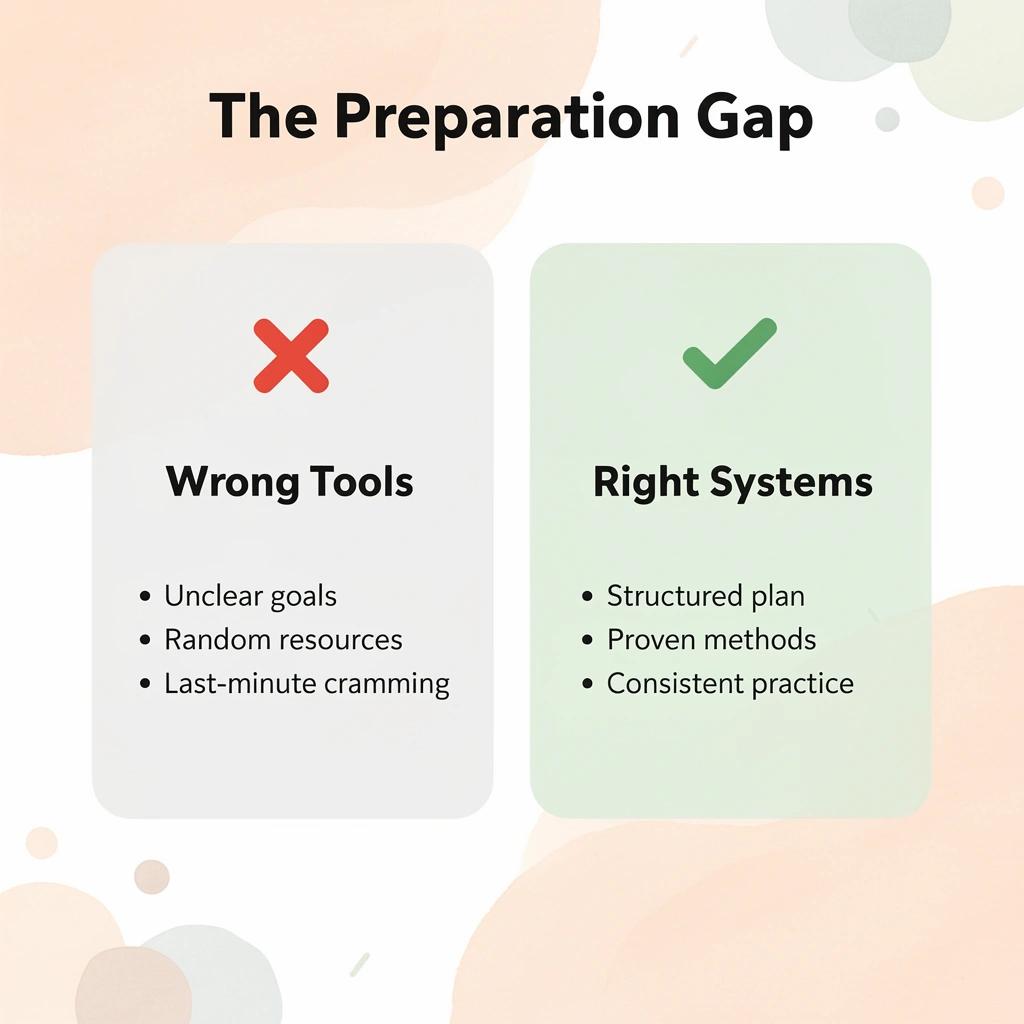
That judgment gap — knowing when rules matter enough to use them — is where preparation either makes things better or falls apart. For law students, the preparation problem is not about wanting to work hard; it's about having the right tools and systems in place before you ever step into a courtroom.
"The judgment gap — knowing when rules matter enough to use them — is where preparation either makes things better or falls apart." — Core Insight
🎯 Key Point: Courtroom success isn't built on effort alone — it's built on having structured systems that train your instincts to recognize exactly when and how to act.
💡 Tip: OpenCase is designed to close the judgment gap by giving law students targeted, scenario-based practice so that objection timing, rule recognition, and courtroom confidence become second nature — not last-minute guesswork.
OpenCase strengthens legal preparation and confidence:
- Objection timing – Builds instinctive, confident responses.
- Rule recognition – Creates a systematic and reliable approach.
- Courtroom readiness – Replaces anxiety with structured confidence.
- Judgment gap – Improves decision-making under pressure.
Why does research failure cause objections in court to collapse?
The failure point is usually research, not reasoning. A student who cannot quickly check whether a statement qualifies as a present sense impression under Rule 803(1), or whether the harmful effect of an exhibit outweighs its helpful value under Rule 403, will pause at the exact moment pausing costs the most. That pause occurs when preparation tools are too slow, too scattered, or too disconnected from how courtrooms work.
Most law students prepare for evidence by cross-referencing textbooks, annotated codes, and case summaries. This patchwork system breaks under pressure as complexity increases and fact patterns grow less predictable. Students develop strong instincts but incomplete authority—the worst position when a judge asks you to cite the rule and case in the same breath.
How does removing the research bottleneck sharpen objections in court?
OpenCase removes that friction by pulling from verified primary sources including Cornell LII, CourtListener opinions, and govinfo regulatory archives, delivering cited, traceable results in seconds. The platform does not replace the student's judgment about when to object; it eliminates the research bottleneck that undermines that judgment under time pressure.
How repetition builds the instinct that classrooms cannot
Recognizing patterns across different evidence situations separates a student who knows the rules from one who can use them. According to Objection Academy's 2026 review of Federal Rules of Evidence practice tools, platforms built for objection mastery now offer 420 or more questions for evidence practice. This volume demonstrates how much practice is needed before rules become automatic rather than a checklist. Courtroom objections are pattern-triggered responses, and patterns become automatic only through repeated practice with different fact situations.
How does structured repetition sharpen objections in court?
OpenCase helps students practice by organizing case files, annotating evidence, and mapping objection strategies across simulated trial sequences. When students upload discovery materials and use the platform's AI drafting tools to generate precise objection language with accurate citations, they build procedural muscle memory connecting legal authority to tactical timing. For California attorneys continuing development after bar admission, Objection Academy notes that 3.0 MCLE credits are available, signaling that the profession treats objection competency as requiring ongoing, structured reinforcement.
The students who enter internships and clinics with the strongest objection instincts practice with better infrastructure, tighter feedback loops, and access to authoritative sources, making every repetition count.
Once that infrastructure is in place, the question that changes everything is not how you prepare for the objections you expect.
Try our Legal AI to Support your Legal Work from Research to Final Draft
Raising the right objection is only part of the work. You still need to identify the controlling rule, find supporting authority, and cite verified case law accurately while the proceeding moves forward. When preparation relies on scattered notes or unverified sources, gaps emerge at critical moments: a missed hearsay exception, a relevance argument with no precedent, a foundation challenge that collapses under scrutiny.
"When preparation relies on scattered notes or unverified sources, gaps emerge at critical moments — a missed hearsay exception, a relevance argument with no precedent, a foundation challenge that falls apart under scrutiny."
🔑 Takeaway: The difference between a strong objection and a failed one often comes down to whether your preparation infrastructure can surface the right authority before the moment passes.
⚠️ Warning: Relying on unverified sources or fragmented research during live proceedings is one of the most common and most avoidable causes of weak evidentiary challenges.

OpenCase brings AI-powered legal research directly into Microsoft Word and Outlook, so drafting and citation validation happen in the same place. Our platform surfaces relevant case law from Cornell LII, CourtListener, and govinfo's authenticated archives, extracts citations, and links arguments to primary sources as you write. The question that truly matters is whether your preparation infrastructure is robust enough to handle objections you did not anticipate.
OpenCase streamlines legal research and validation:
- Case law discovery – Finds relevant cases directly within Word and Outlook.
- Citation validation – Provides inline verification while drafting.
- Authority linking – Connects directly to primary legal sources.
- Source reliability – Uses authenticated legal archives.
💡 Tip: The most dangerous objections are the ones you did not prepare for — having AI-powered research embedded in your drafting workflow means you are never more than a few clicks from verified supporting authority.
🎯 Key Point: OpenCase eliminates the gap between research and drafting by keeping authenticated legal sources inside the tools you already use — so your preparation is as strong as your instincts.
Related Reading
- Best Ai Contract Review Tool
- Law Insider
- Legora
- Harvey
- Everlaw
- Clio
- Ivo
- Spellbook
- ChatGPT For Lawyers