Lawyer Salary: 7 Highest-Paying Practice Areas for 2026
Lawyer salary varies widely by practice area. OpenCase breaks down the 7 highest-paying specialties to help you maximize your earning potential.

Choosing a legal career path often comes down to one uncomfortable question: how much will you actually earn? Whether weighing options as a law student or considering a specialty switch as a practicing attorney, understanding compensation across practice areas is essential to smart Law Practice Management. The salary data below covers the highest-paying legal specialties in 2026, giving attorneys the clarity they need to make confident career decisions.
Salary figures alone only tell part of the story. Knowing which specialties pay the most matters far less without understanding why those markets pay well, where demand is growing, and how top earners structure their practices to stay competitive. Attorneys who want to connect these numbers to real career moves can explore legal AI to get a sharper picture of where the highest-value legal work is heading.
Table of Contents
- What Is the Average Lawyer Salary in the United States?
- What Factors Have the Biggest Impact on Lawyer Salary?
- Why Do Some Legal Specialties Pay More Than Others?
- 7 Highest-Paying Practice Areas for Lawyers in 2026
- How to Increase Your Earning Potential as a Lawyer
- How OpenCase Helps Lawyers Work and Earn More Efficiently
- Try our Legal AI to Support your Legal Work from Research to Final Draft
Summary
- Legal specialty is one of the most financially consequential career decisions an attorney makes, yet it rarely gets treated with the same rigor as firm selection or geography. Corporate and M&A attorneys at top firms earn between $250,000 and $400,000 or more annually, while family law and criminal defense practitioners in comparable markets often earn a fraction of that figure. The gap reflects client budgets more than case complexity.
- Firm size creates the widest compensation spread in the profession. Attorneys at large firms with 250 or more lawyers earn salaries up to three times higher than those at firms with fewer than 25 lawyers, according to the BCG Attorney Search Complete Attorney Compensation Report 2025-2026. That multiplier widens over time because every raise, bonus, and lateral offer is calculated against a base that was already suppressed in the early years.
- Geography functions as a long-term financial multiplier, not just a lifestyle preference. Location accounts for salary differences of 40% or more, with top markets like New York and San Francisco paying well above the national average. A lawyer who builds their compensation history in a lower-paying market anchors every future offer to a lower ceiling, and even a single mobility can reset that ceiling permanently.
- Supply restriction drives some of the most durable salary premiums in the profession. Patent attorneys, who must hold a technical or scientific background and pass USPTO registration requirements, earn between $180,000 and $300,000 or more per year. That premium persists because the pool of qualified practitioners is structurally narrow while demand from clients protecting billion-dollar product lines remains high.
- Time loss is a structural income problem that rate increases alone cannot solve. According to the Bloomberg Law 2024 Attorney Workload Survey, only 49% of attorneys' time is spent on billable work. Research from Everlaw found that lawyers using generative AI report saving up to 32.5 working days per year, a figure that compounds significantly when applied to high-value practice areas where hourly rates are already at a premium.
- The bimodal distribution of lawyer salaries makes aggregate figures misleading for career planning. The U.S. Bureau of Labor Statistics reports a median annual wage of $151,160 for lawyers as of May 2024, but the mean of $182,760 is pulled upward by a concentrated group of high earners in large firms and major markets. The lowest 10% of earners fall below $72,780, while the top 10% exceed $239,200; partner distributions are excluded from both figures.
- OpenCase's legal AI addresses the workflow inefficiency problem directly by embedding AI-powered research and citation verification inside Microsoft Word and Outlook, keeping attorneys in their drafting environment rather than breaking concentration across multiple platforms.
What Is the Average Lawyer Salary in the United States?
Lawyer pay in the United States changes dramatically based on where you live, who you work for, and what type of law you practice. According to the BCG Attorney Search Complete Attorney Compensation Report 2025-2026, salaries range from around $60,000 for entry-level public sector jobs to over $400,000 for senior Big Law partners.
"Salaries range from around $60,000 for entry-level public sector jobs to over $400,000 for senior Big Law partners." — BCG Attorney Search Complete Attorney Compensation Report, 2025–2026
💡 Key Insight: The gap between the lowest and highest lawyer salaries is staggering — a difference of $340,000+ depending on your sector, specialty, and location.
Career Stage / Sector:
- Entry-Level Public Sector
Salary Range:
~$60,000 - Mid-Level Private Practice
Salary Range:
$100,000–$200,000 - Senior Big Law Partner
Salary Range:
$400,000+
⚠️ Warning: Comparing lawyer salaries without accounting for sector, experience, and geography can give a misleading picture of what you'll actually earn.

What do median and mean lawyer salary figures actually reveal?
The U.S. Bureau of Labor Statistics reports a median annual wage of $151,160 for lawyers as of May 2024, with an average of $182,760. The gap between the median and the average reflects that attorneys in large firms and major markets earn substantially more, thereby pushing the average well above what most lawyers earn. The lowest 10 percent earn below $72,780 annually, while the top 10 percent exceed $239,200—figures that exclude self-employed lawyers and partner profit distributions.
Where you work shapes what you earn
Geography creates sharp earnings differences. The District of Columbia has the highest mean annual wage for lawyers at $238,990, followed by California at $213,860, New York at $208,480, and Delaware at $212,360. Metro areas like San Jose-Sunnyvale-Santa Clara have recorded mean wages exceeding $260,000, driven by dense concentrations of technology companies, corporate headquarters, and federal regulatory work. Lawyers in lower-paying states benefit from reduced housing and living costs, though differences between markets remain substantial.
The employer type sets your baseline
Federal government lawyers earned a median of $174,680 in May 2024, well above the $143,470 median in legal services firms. State government roles carry a median closer to $111,280. Private firm compensation varies sharply by firm size, with the National Association for Law Placement reporting a 2025 median first-year associate base salary of $200,000 overall, rising to $215,000 at firms with more than 700 lawyers. The BCG Attorney Search Complete Attorney Compensation Report 2025-2026 notes that Big Law first-year associates at top firms earn a base salary of $225,000 per year, exceeding what many mid-career lawyers in smaller markets will ever reach.
Why does lawyer salary data so often mislead practitioners?
Most lawyers researching compensation compile data from job boards and salary aggregators that don't distinguish between base pay, bonuses, and partner distributions. Platforms like OpenCase's legal AI provide verified data on how top-earning practitioners structure their practices and where high-value legal work is growing, eliminating guesswork from the analysis.
How does practice area choice shape a lawyer's salary as much as firm size?
The profession splits along a bimodal pattern that raw averages hide. Lawyers in public interest roles, small firms, or practice areas like family law and criminal defense earn in the lower half of the distribution, while those in large firms or specialized corporate tracks see steady income growth plus performance bonuses that accumulate significantly over time. Practice area choice functions as a second employer decision, shaping earning potential as powerfully as firm size.
What Factors Have the Biggest Impact on Lawyer Salary?
Three decisions shape a lawyer's earning trajectory: where they work, who they work for, and what kind of law they practice. Each one builds on the others over time, and early mistakes create widening gaps.
"Where you work, who you work for, and what you practice — these three core decisions compound over a career, turning small early differences into massive salary gaps down the line."
Decision:
- Where they work
Why It Matters:
City, firm size, and market rates vary dramatically
Impact Level:
🔥 High - Who they work for
Why It Matters:
BigLaw vs. public sector vs. boutique firms
Impact Level:
🔥 High - What law they practice
Why It Matters:
Specialty drives long-term earning potential
Impact Level:
🔥 High
💡 Tip: Lawyers who strategically align all three decisions early in their careers consistently out-earn peers who treat them as separate choices.
⚠️ Warning: Early mistakes in any one of these three areas don't just hurt your current salary — they create compounding gaps that become increasingly difficult to close over time.

Firm Size Creates the Widest Pay Gap
According to the BCG Attorney Search Complete Attorney Compensation Report 2025-2026, lawyers at large law firms with 250 or more lawyers earn salaries up to three times higher than those at small firms with fewer than 25 lawyers. This gap widens as lawyers gain experience. A mid-level associate at a small firm starts from a lower base salary, meaning each raise, bonus, and job offer compounds from an already depressed starting point.
How does geography act as a lawyer salary multiplier?
Where you live is a financial decision with years-long consequences. Geographic location can account for salary differences of 40% or more, with top markets like New York and San Francisco paying significantly above the national average. A lawyer in a lower-paying secondary market accumulates less wealth, qualifies for smaller loans, and anchors future offers at a lower ceiling. Even one move can reset that ceiling permanently.
Why does verified lawyer salary data matter more than approximations?
Most lawyers depend on job boards, bar surveys, or stories from colleagues for pay information: sources that change quickly and can cause significant problems when outdated. Tools like OpenCase demonstrate why verified, source-backed information matters more than rough guesses when stakes are this high.
Practice Area Choice Functions Like a Second Employer Decision
Specialization is a pricing signal. Corporate and finance attorneys consistently earn the highest pay, while family law, immigration, and criminal defense attorneys earn noticeably less compared to general litigation baselines. The gap between a securities litigator and a family law practitioner at the same experience level, in the same city, at the same-sized firm, can exceed many people's expectations from a single career choice. Practice area choice sets the limit on raises, bonuses, and lateral moves for the next decade.
When does the choice of practice area begin to shape lawyers' salary trajectories?
The failure point is usually timing. Lawyers who delay specialization past the five-year mark find their resumes have already told a story that premium-track firms read quickly. Switching from a discounted practice area to a high-value one requires either a credential advantage, a rare client relationship, or acceptance of a lateral role below your experience level.
Which specialties actually drive the highest lawyer salary premiums?
Yet knowing which specialties command the highest premiums and why proves more complicated than surface-level rankings suggest.
Related Reading
- Law Practice Management
- Google Gemini For Lawyers
- Claude vs. ChatGPT for Lawyers
- ChatGPT Prompts For Lawyers
- Copilot For Lawyers
- Ai Use Cases For Lawyers
- Ai Legal Hallucinations
- Legal Tech Trends
- Prompt Engineering For Lawyers
- Legal Writing Ai
- Claude For Lawyers
- Ai Legal Ethics
Why Do Some Legal Specialties Pay More Than Others?
Pay differences between legal specialties come from how clients think about legal fees: corporate clients see legal fees as a normal business cost for deals worth hundreds of millions of dollars, while individual clients see them as emergency expenses they want to keep as small as possible. This structural gap creates an earnings ceiling that skill alone cannot overcome in lower-paying practice areas.
"Corporate clients treat legal fees as a routine line item on deals worth hundreds of millions of dollars — a fundamental dynamic that individual-facing practice areas simply cannot replicate." — Core Structural Reality of Legal Pay
💡 Key Insight: The single biggest driver of attorney pay isn't talent or hours worked — it's the type of client being served. Corporate clients have vastly higher fee tolerance than individual clients.
⚠️ Warning: Attorneys in individual-facing specialties may hit an earnings ceiling no matter how skilled they become — the structural gap is baked into the client base itself, not personal performance.
Client Type:
- Corporate Clients
How They View Legal Fees:
Normal business cost
Impact on Attorney Pay:
High earnings potential - Individual Clients
How They View Legal Fees:
Emergency expense to minimize
Impact on Attorney Pay:
Capped earnings potential

The Client Budget Problem Is More Mechanical Than It Appears
The failure point is usually invisible until you map it out. A family law attorney handling a contested divorce may work as hard and manage as much complexity as a corporate associate closing a mid-market acquisition. But the family law client is spending from savings, while the corporate client is spending from a deal budget tied to a transaction worth 10 or 100 times the legal fee itself. BCG Search reports that M&A attorneys at top firms earn $250,000 to $400,000 or more annually—a figure reflecting the financial scale of the deals those clients are closing. The work justifies the rate because the client's upside justifies the spend.
Why does supply restriction drive higher lawyer salary premiums?
Patent attorneys must have a technical or scientific background along with their law degree and pass USPTO registration requirements, which limits the number of qualified lawyers available. BCG Search notes that patent attorneys earn $180,000 to $300,000 or more per year. This high salary persists because there are few patent attorneys, and companies need them to protect products worth billions of dollars.
How does research risk affect a lawyer's salary in high-stakes specialties?
Most lawyers in high-volume personal client practices research by hand, building arguments from case law found through general search tools without systematic citation verification. In specialties where a single misreading of the law or an outdated precedent can collapse a deal or invalidate a patent claim, this approach carries significant risk. OpenCase addresses this by verifying legal references against primary sources, which is especially important in high-stakes specialties where errors have immediate financial consequences.
The leverage gap that compounds over time
The earnings difference stems from leverage. Corporate and IP practices enable senior attorneys to build teams of associates who bill at high rates to institutional clients. Practices serving individuals rely on volume from a single lawyer's personal caseload, with flat fees or installment arrangements that cap total revenue regardless of the hours invested. This structural difference compounds over the years, creating a widening gap in partnership-track income, bonus eligibility, and financial cushion for lateral moves or firm leadership.
What actually predicts a lawyer's salary beyond prestige?
Prestige and difficulty are poor measures for pay. What predicts attorney compensation is alignment between client resources, the financial value the work creates or protects, and whether the practice model allows leverage across a team. Specialties that check all three boxes consistently produce the highest earnings. Those who check only one or two face structural limits that reputation alone cannot overcome.
Related Reading
- Is ChatGPT Good For Personal Injury Lawyers
- How To Use ChatGPT for Legal Research
- Law Clerk
- Will Lawyers Be Replaced By Ai
- Iolta Account
- Legal Billing Software
- Legal Ai Tools
- Law Firm Marketing
- Billable Meaning
- Law Firm Seo
- Objections In Court
7 Highest-Paying Practice Areas for Lawyers in 2026
Choosing the right legal specialty has a bigger impact on lifetime earnings than almost any other career decision. Practice area determines the types of clients you serve, the complexity of matters you handle, and the rates firms charge. The specialties below consistently rank among the highest-paying because they involve high-value transactions, significant financial risk, or highly specialized legal knowledge.
"Practice area determines the types of clients you serve, the complexity of matters you handle, and the rates firms charge — making it the single most consequential career choice a lawyer can make."
🎯 Key Point: Your legal specialty isn't just a professional preference — it's the primary driver of your earning potential across your entire career.
💡 Tip: When evaluating practice areas, weigh transaction value, client budget, and knowledge specialization — the highest-paying specialties score at the top in all three categories.
Factor:
- High-Value Transactions
Why It Drives Pay:
Larger deals justify premium legal fees - Significant Financial Risk
Why It Drives Pay:
Clients pay more for expert risk mitigation - Specialized Legal Knowledge
Why It Drives Pay:
Rare expertise commands top-tier rates

1. Antitrust and Competition Law
This practice area focuses on advising corporations during merger reviews, defending against or pursuing claims of anticompetitive conduct, such as price-fixing or monopolization, and handling government investigations by agencies such as the Department of Justice and the Federal Trade Commission. It ranks among the highest-paying specialties due to the substantial economic consequences at stake, often involving transactions worth billions of dollars, and the need for sophisticated economic analysis combined with deep regulatory knowledge.
What lawyer salary premium does antitrust work command?
Antitrust and competition work commands approximately a 25 percent premium over general litigation baselines, with BigLaw associates reaching median compensation around $450,000 at certain experience levels. Sustained scrutiny of market concentration in technology, healthcare, and other concentrated industries drives demand for experienced practitioners who deliver high-value outcomes on major cases for Fortune 500 clients willing to pay premium hourly rates.
2. Securities Law
Securities lawyers handle regulatory compliance for public companies, IPOs, SEC disclosures, enforcement defense, and complex financial transactions. The field commands premium compensation because it directly affects access to capital markets, stock prices, and corporate governance: even small mistakes can trigger massive liabilities or regulatory actions.
What drives the securities lawyer salary premium above other fields?
Pay information shows that securities work pays lawyers about 22 percent more than the average, because this work is risky and requires specialized knowledge in areas such as defending against insider trading or structured finance. Strong capital markets activity and new disclosure rules sustain demand in 2026, enabling lawyers at large firms to earn above-average compensation through successful deal closings and regulatory compliance that protects shareholder value.
3. Intellectual Property Law
Intellectual property practice—patent prosecution, litigation, and licensing—protects new ideas through patents, trademarks, copyrights, and trade secrets in technology, pharmaceuticals, and life sciences. It commands strong premiums because protected assets generate billions in revenue or block competitors, often requiring attorneys with technical or scientific backgrounds.
Why does IP law command a higher lawyer salary than baseline litigation?
IP and patent-focused work commands about a 20 percent premium over baseline litigation, driven by high invention values and specialized knowledge needed for USPTO processes and federal court disputes. In 2026, rapid innovation in artificial intelligence, biotechnology, and software sustains strong demand, enabling skilled practitioners to command higher billing rates and better compensation when representing clients whose business models depend on enforceable IP portfolios.
4. Corporate and Mergers & Acquisitions Law
Corporate and M&A lawyers structure deals, conduct due diligence, negotiate agreements, advise on governance, and handle regulatory approvals for business combinations. This area pays well because it directly influences multi-billion-dollar deals that reshape industries and create or destroy significant shareholder value.
Why does M&A work command a higher lawyer salary than other practice areas?
Compensation analyses show that M&A and corporate work command an approximately 18 percent premium above baseline, reflecting the complexity of cross-border elements, financing structures, and integration planning. Deal flow in 2026 is supported by available capital and strategic imperatives in tech, energy, and healthcare, maintaining strong demand for experienced deal lawyers and translating into elevated hourly rates and earnings potential in major law firms.
5. Tax Law
Tax attorneys help clients with planning, structuring, dispute resolution, and compliance with federal, state, international, and transactional tax matters. This specialty pays well because effective tax strategies can save or cost clients tens or hundreds of millions of dollars annually. The work requires deep knowledge of complex codes, treaties, and regulations that general lawyers cannot match.
Why does tax law command a higher lawyer salary than most specialties?
Recent data show that tax practices earn about a 15 percent premium over baseline, supported by the high value of optimized outcomes and expertise in cross-border planning or IRS disputes. International tax rules remain complex, and corporate restructuring combined with changing domestic policies sustains demand for specialists who deliver measurable financial benefits to corporate and institutional clients.
6. Private Equity and Investment Funds Law
Private equity and investment funds lawyers handle fund formation, capital raising, portfolio company acquisitions, governance, and exit strategies for funds managing billions in assets under management. This specialty commands premium compensation because it serves sophisticated institutional investors and sponsors who pay for expertise to structure deals, minimize tax exposure, and maximize returns on large-scale investments.
What drives lawyer salary growth in private equity and investment funds?
Lawyers in this field advise on complex partnership agreements, due diligence, and multi-state compliance. The work offers substantial profit opportunities for experienced attorneys. In 2026, amid active deal flow, compensation remains high. General counsel and senior roles at larger funds often earn over $600,000 in base salary plus performance-based compensation tied to successful exits.
7. Data Privacy and Cybersecurity Law
Data privacy and cybersecurity lawyers help organizations comply with evolving regulations, including the CCPA, GDPR equivalents, and new AI governance rules. They manage breach responses, draft policies, and handle litigation, particularly in technology, healthcare, and finance. This specialty commands strong compensation because data incidents cause significant financial and reputational damage, regulatory enforcement is increasing, and artificial intelligence tools create new compliance challenges.
Why does data privacy law deliver a high lawyer salary?
Lawyers with expertise in regulatory compliance help companies avoid substantial fines and operational disruptions, commanding premium fees and remaining in high demand. As companies increasingly adopt digital tools and data breaches become more frequent in 2026, this specialization remains among the highest-paying legal fields. Specialists at major law firms and in-house positions earn significantly more than general practitioners.
How to Increase Your Earning Potential as a Lawyer
The highest-paid lawyers build special skills, create clear value for clients, and consistently improve how they practice law. These proven strategies help you get ready for jobs that pay more throughout your career.
"Lawyers who invest in specialized skills and client value creation position themselves for significantly higher earning trajectories throughout their careers." — Legal Career Development Research
🎯 Key Point: The path to higher earnings isn't accidental — it's built on deliberate skill-building, clear client value, and a relentless commitment to improving your practice.
💡 Tip: Start by identifying your strongest practice area and double down — specialization is consistently one of the most powerful levers for increasing your earning potential.
Strategy:
- Build Special Skills
Impact on Earning Potential:
Commands premium rates in niche markets - Create Clear Client Value
Impact on Earning Potential:
Drives repeat business and referrals - Continuously Improve Practice
Impact on Earning Potential:
Positions you for higher-paying roles over time

Specializing in High-Premium Practice Areas
Focusing on antitrust, securities, intellectual property (patent), M&A, or complex tax work positions lawyers to command meaningful premiums. These areas involve high-stakes matters for well-resourced corporate and institutional clients. Compensation analyses show these specialties delivering 15 to 25 percent uplifts over general litigation baselines, driven by transaction scale, regulatory complexity, and direct impact on client revenue or risk exposure. In 2026, sustained deal activity, enforcement priorities, and innovation in technology and life sciences will sustain demand for practitioners who deliver measurable outcomes on bet-the-company issues, enabling experienced attorneys in major firms to achieve compensation well above broader market averages through higher hourly rates and origination credit.
Develop Strong Business Development and Rainmaking Skills
Building expertise in client acquisition, relationship management, and referral generation creates a reliable pipeline of high-value work that directly supports higher earnings. Lawyers who network, publish thought leadership, speak at industry events, and cultivate referral relationships secure repeat business and premium matters from corporate or institutional clients who value trusted advisors. This approach shifts compensation from pure billable hours toward origination-based models common in larger firms, where successful rainmakers advance more quickly to partnership or equity levels, with compensation packages that include significant profit-sharing.
Leverage Technology and AI Tools to Improve Efficiency
Using specialized legal technology platforms accelerates research, drafting, and case management, enabling lawyers to handle more complex cases or produce more billable work without extending hours. Tools integrating with Microsoft Word, Google Docs, Outlook, Clio, Google Drive, and Dropbox help lawyers work faster and more accurately while maintaining data privacy and compliance. OpenCase, for example, functions as a legal AI workspace trained on trusted primary sources including U.S. statutes, Supreme Court opinions, federal and state dockets, and official government publications, providing traceable answers across more than 100 databases. Lawyers who develop these skills spend less time on routine tasks, improve work quality, and position themselves to earn higher rates or take on premium work.
Target High-Value Clients and Premium Fee Structures
Focusing on sophisticated corporate, institutional, or high-net-worth clients who value expertise over price enables value-based or alternative fee arrangements that reward results rather than hours worked. These clients engage in matters involving large financial stakes, regulatory navigation, or strategic transactions where perceived value supports higher rates and structured billing. Firms that demonstrate a clear return on investment through specialized advice or efficient outcomes attract this segment, generating steadier revenue streams and reduced collection risk. Tracking client profitability and selectively pursuing higher-margin engagements accelerates earnings growth.
Pursue Strategic Lateral Moves and Career Advancement
Moving to better-performing firms, stronger geographic markets, or firms with strong partnership records accelerates compensation growth. These moves provide greater leverage, improved origination systems, and more favorable rate structures. Firms with premium practices or those expanding in high-demand sectors often offer immediate base increases, signing bonuses, and clearer paths to equity participation. Professionals who research firm profitability metrics, practice group strength, and cultural fit before transitioning achieve faster progression and higher total compensation than those remaining in misaligned settings. Preparation through documented achievements and network cultivation makes these moves more attainable and impactful.
Invest in Continuous Education and Emerging Skill Sets
Staying up to date with regulatory changes, new technology, and special certifications helps lawyers stand out in competitive markets. Training in data privacy rules, AI governance, complex regulatory frameworks, or advanced transaction structuring equips practitioners to advise on cutting-edge issues that command premium fees. Employers and clients increasingly value professionals who demonstrate adaptability and specialized knowledge, strengthening negotiating positions for raises, promotions, or new business.
How OpenCase Helps Lawyers Work and Earn More Efficiently
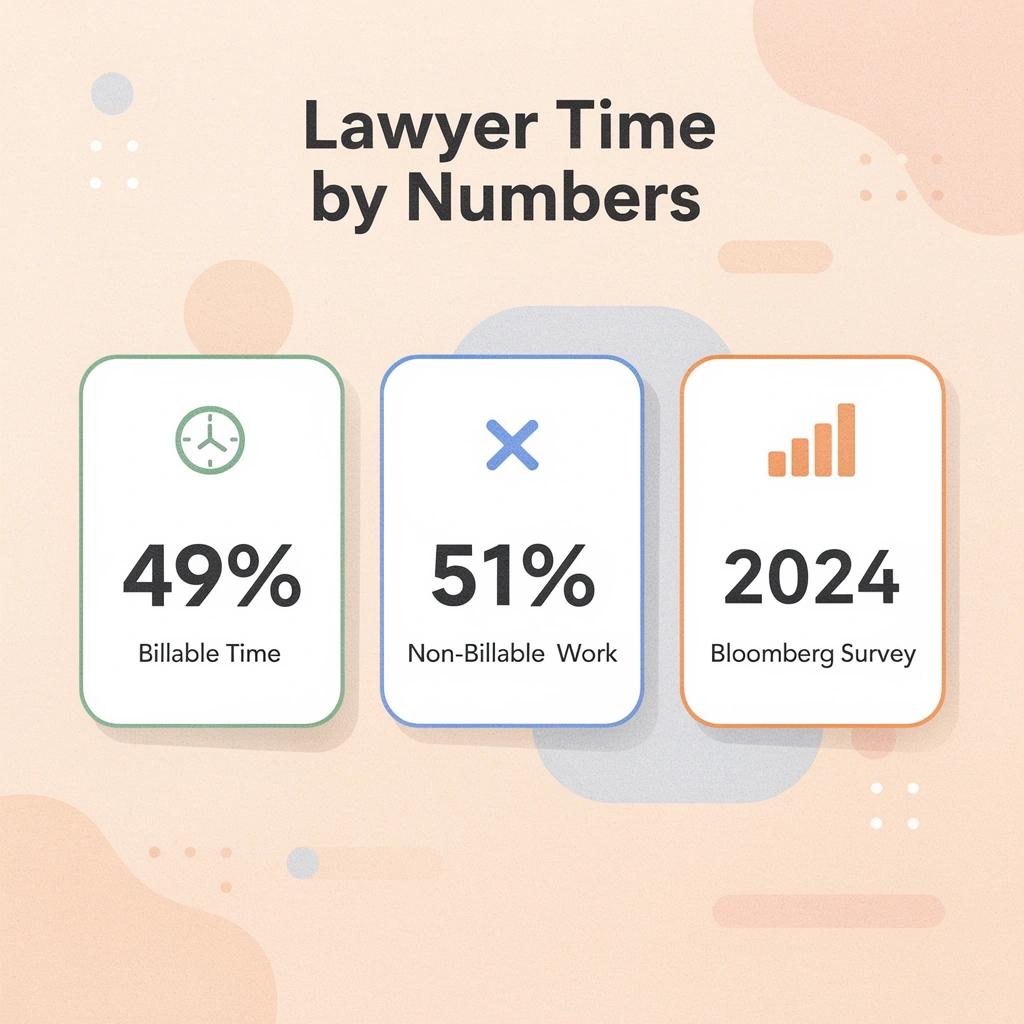
The tools lawyers use either help their earning potential or hurt it. According to the Bloomberg Law 2024 Attorney Workload Survey via Legal.io, only 49% of attorneys' time is spent on billable work. The average lawyer loses roughly half their working day to tasks that generate no revenue: a structural ceiling on income that no rate increase can fully overcome.
"Only 49% of attorneys' time is spent on billable work—meaning the average lawyer loses roughly half their day to tasks that generate zero revenue." — Bloomberg Law 2024 Attorney Workload Survey via Legal.io
🔑 Takeaway: When less than half of a lawyer's day is billable, the problem isn't hourly rates—it's the structural inefficiency built into how legal work gets done. Recovering even a fraction of that lost time translates directly into measurable income gains.
⚠️ Warning: No rate increase alone can fix a workflow where 51% of working hours disappear into non-billable tasks. Without the right tools, this ceiling remains in place.
💡 Tip: OpenCase is designed to attack this problem directly—helping lawyers reclaim billable hours by automating and streamlining the administrative work that drains earning potential.
Why does context switching quietly suppress lawyer salary potential?
Legal research compounds this problem. Most lawyers write in Word, switch to a research platform, then return to their document to verify citations elsewhere. Each tool switch costs time and focus. A 30-minute research task can stretch to 90 minutes of tab-switching and cross-checking, reducing billable hourly rates.
How does embedded AI research increase billable output per hour?
OpenCase puts AI-powered legal research directly into Microsoft Word and Outlook. Instead of leaving the document to find supporting authority, the platform delivers relevant case law, citation suggestions, and argument validation in real time as you write. Research stays within the drafting workflow, reducing interruptions and increasing billable output per hour worked.
What that means for attorney compensation
An attorney who produces a well-supported motion in four hours instead of seven gains three hours for another matter, a client call, or business development. Multiply that across a full caseload, and the compounding effect on annual income becomes significant. Research from Everlaw found that lawyers report saving up to 32.5 working days per year with generative AI—a substantial difference in a profession where time is the primary unit of value.
How does accuracy affect a lawyer's salary over time?
Legal writing depends on verified authority. A citation that does not support the stated claim, or worse, one that has been overruled, creates professional risk no billing rate can justify. OpenCase verifies references against primary legal sources throughout the drafting process, enabling attorneys to produce documents with fewer errors reaching the supervising attorney, client, or court.
The lawyers who consistently close the gap between efficiency and accuracy separate themselves from their peers in income trajectory over time.
But the part most lawyers never account for is what happens when that time savings meets the right practice area.
Try our Legal AI to Support your Legal Work from Research to Final Draft
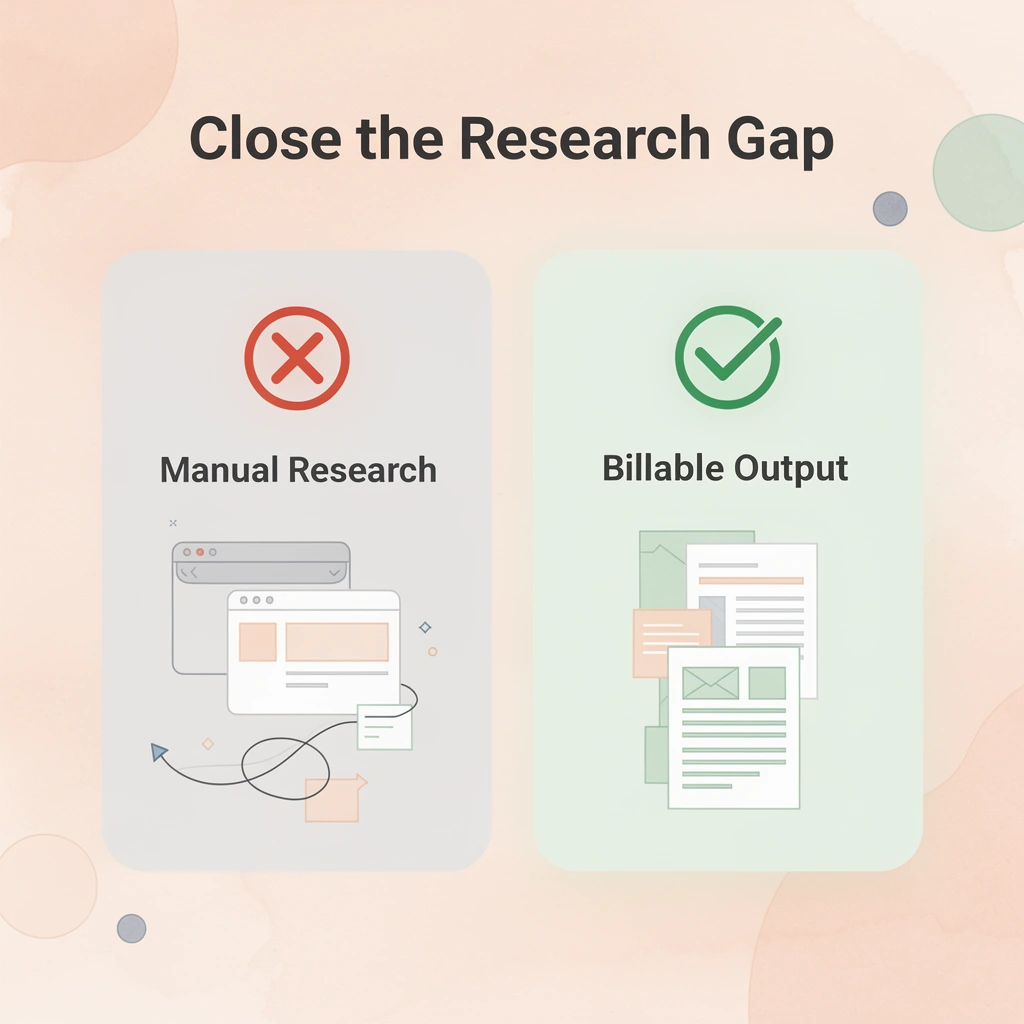
Lawyers who close the gap between research time and billable output remove the friction that quietly caps attorney compensation year after year.
"The gap between research time and billable output is the silent ceiling on attorney compensation — close it, and earnings potential expands immediately." — OpenCase
🔑 Takeaway: Billable hours lost to manual research represent direct revenue leakage. Every minute spent on non-billable legal work is money left on the table.
💡 Tip: Attorneys who leverage AI-powered legal research tools convert more of their working hours into compensable, high-value output.
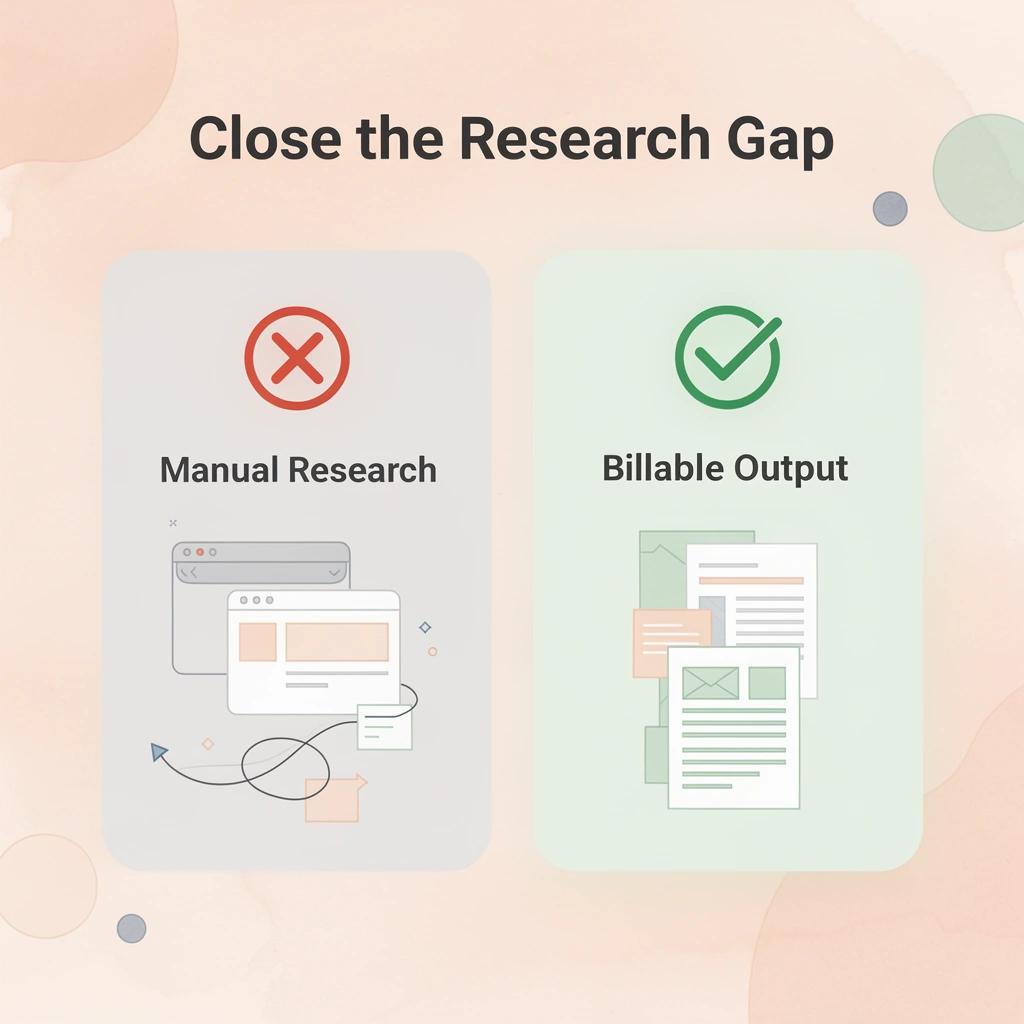
OpenCase brings AI-powered legal research directly into Microsoft Word and Outlook, surfacing verified case law, suggesting supporting authorities, and validating citations in real time as you draft. No tab-switching, no manual citation checks, no broken workflow — just faster, stronger legal documents from first draft to final submission.
⚠️ Warning: Manual citation checks and constant tab-switching are not minor inconveniences — they are measurable productivity killers that compound across every matter you handle.
✅ Best Practice: Visit OpenCase and request access today to produce stronger legal documents faster — keeping your workflow intact and your billable hours protected.
Traditional Legal Drafting:
- Manual case law searches
With OpenCase AI:
Automated case law surfacing - Separate tab-switching required
With OpenCase AI:
Embedded in Microsoft Word & Outlook - Manual citation validation
With OpenCase AI:
Real-time citation verification - Slower document turnaround
With OpenCase AI:
Faster final draft delivery - Lost billable time on research
With OpenCase AI:
Maximized billable output
Related Reading
- Best Ai Contract Review Tool
- Spellbook
- Clio
- ChatGPT For Lawyers
- Everlaw
- Ivo
- Legora
- Law Insider
- Harvey